


Resource Type: Blogs
Tag: Commerce
Tag: Fashion
Tag: Retail
BLOGS
Shopping for clothes online often feels like a guessing game. Will it fit? How will it look? Discover how virtual try-on can boost retail conversions and reduce product return rates.
August 12, 2026
Resource Type: Blogs
BLOGS
How AI and Virtual Try-On are Reshaping Fashion Retail
Shopping for clothes online often feels like a guessing game. Will it fit? How will it look? Discover how virtual try-on can boost retail conversions and reduce product return rates.
August 12, 2026
Shopping for clothes online often feels like a guessing game. Will it fit? How will it look? Virtual Try-On is changing that by letting customers virtually try on outfits using their own photos, helping fashion brands build trust and drive remarkable sales growth.
For years, the digital fashion experience has suffered a fundamental disconnect. Customers love the convenience of browsing from their sofas, but they miss the tactile certainty of the physical changing room. This uncertainty does not just lead to abandoned shopping carts: it also fuels the costly habit of bracket buying, where shoppers order multiple sizes with the intention of returning most of them. For retailers, this behaviour squeezes margins and creates massive operational and environmental challenges.
Now, advancements in generative AI are bridging this gap, turning the digital try-on experience from a futuristic gimmick into a powerful tool for commercial growth.
Bringing the Changing Room to the Screen
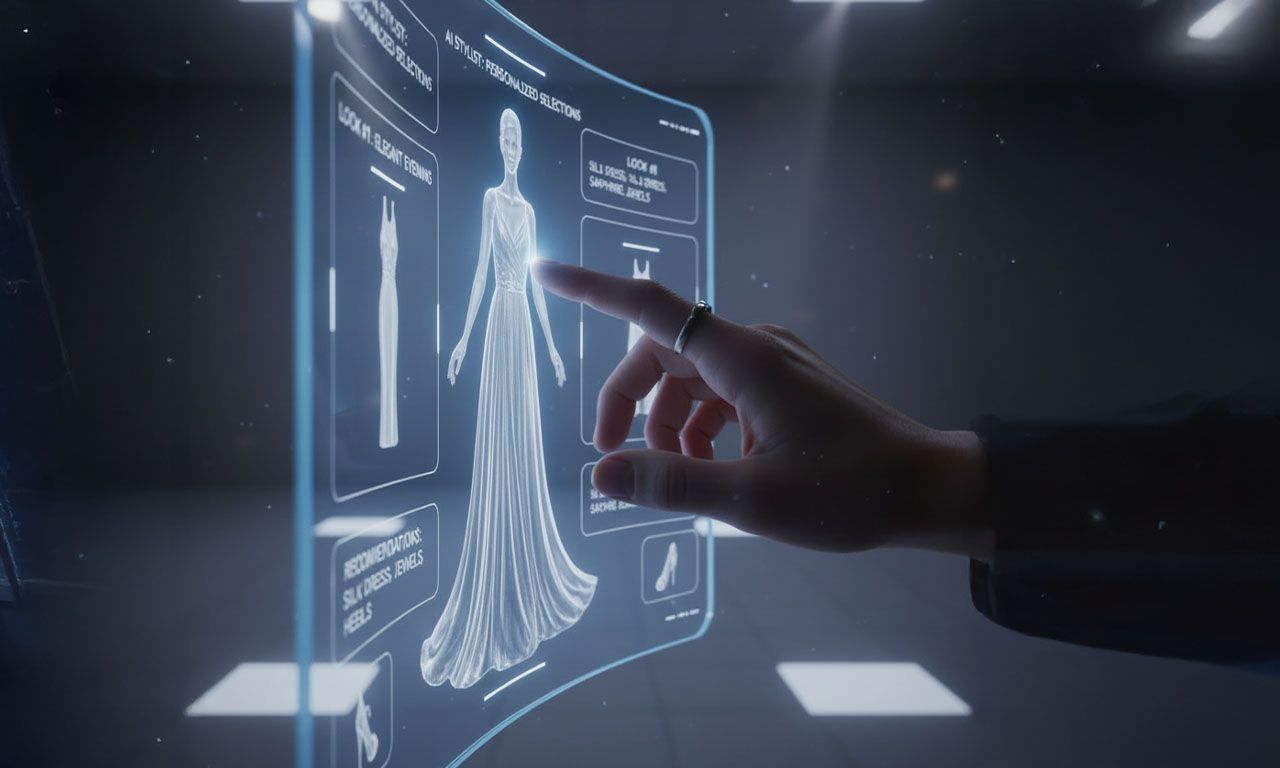
To solve the online shopping confidence gap, virtual try-on integrates directly into the ecommerce journey. The concept is simple but highly effective. Instead of looking at a studio model and trying to guess how a garment might fit a different body type, shoppers upload a photo of themselves. The AI stylist then generates highly accurate, realistic visualisations of how the clothing looks on their own body.
By utilising Google Cloud’s conversational AI technology, the tool behaves less like a static filter and more like an interactive, personal retail assistant. It deepens the shopper’s understanding of the product, alleviates buying hesitation, and brings a new level of personalisation to the digital storefront.
The Proof is in the Data
While the technology is impressive on paper, its real-world impact on sales performance is even more compelling. During initial deployments on Myprotein, the THG Commerce’s AI Stylist delivered extraordinary commercial results.
When UK shoppers who generated at least one image using the AI Stylist were compared against the site average activewear shopper, the data revealed:
- Customers were nearly six times more likely to convert: shoppers who could see themselves in the clothes were far more likely to complete their purchase.
- Customers spent 6.3 times more time on site: the immersive nature of the virtual try-on kept users engaged and exploring products for longer.
- A 2.5% increase in average order value (AOV): increased confidence encouraged customers to add more to their baskets.
These figures show that when you remove the guesswork from online shopping, you don’t just make customers happier; you actively optimise your sales funnel and drive tangible return on investment.
The Rise of Agentic Commerce
The AI Stylist is a prime example of a broader shift towards agentic commerce. This is the transition from passive, search-and-click websites to active, AI-assisted shopping ecosystems where intelligent agents proactively guide, assist, and reassure customers.
For brands looking to future-proof their digital channels, adopting these tools is no longer optional. By integrating intelligent virtual try-on experiences, retailers can significantly lower their return rates and build long-term customer loyalty.
Ready to discover how your brand can harness these tools?
Explore our agentic commerce solutions, or get in touch to find out how we help brands create intelligent, AI-powered shopping experiences.