


Resource Type: Blogs
Tag: Commerce
Tag: Beauty
BLOGS
Beauty consumers are moving beyond broad trends and generic claims, searching instead for products and routines that address specific concerns. For brands, the opportunity lies in using content, social commerce and AI to turn that growing complexity into clearer, more personalised shopping experiences.
October 26, 2026
Resource Type: Blogs
BLOGS
Beauty’s next growth opportunity isn’t another trend; it's a better routine.
Beauty consumers are moving beyond broad trends and generic claims, searching instead for products and routines that address specific concerns. For brands, the opportunity lies in using content, social commerce and AI to turn that growing complexity into clearer, more personalised shopping experiences.
October 26, 2026
Contents
Contents
Contents
Contents
Contents
Contents
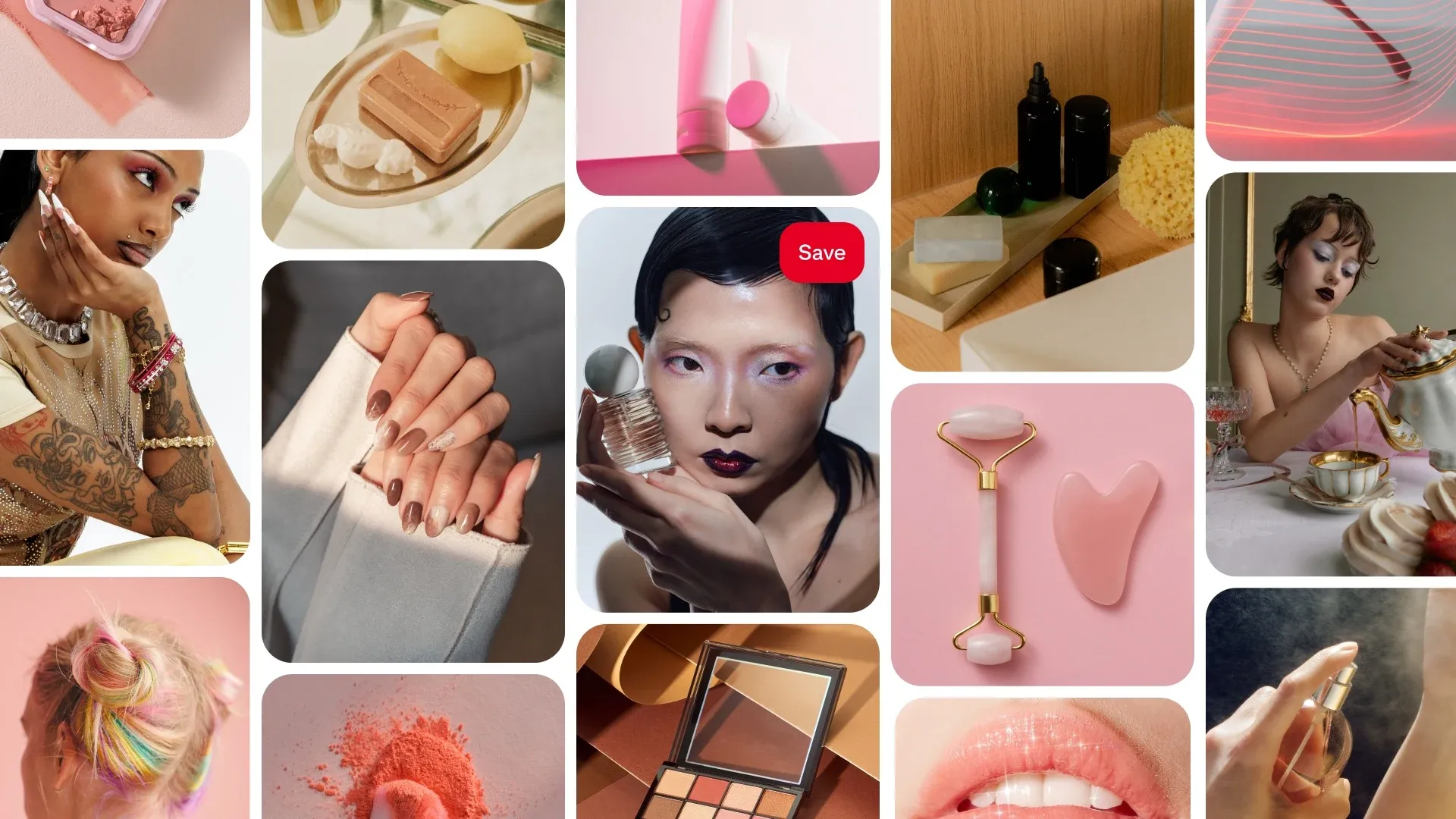
Beauty consumers aren’t simply copying the latest viral look. They've become much more specific, looking for solutions to increasingly precise concerns, whether that’s a healthier skin barrier, a scalp detox, a retinol body lotion or a routine that works for their specific skin type.
Pinterest’s 2026 Beauty Trend Report describes this change as a move towards specificity. Its users aren’t copying trends exactly but editing them to fit their own preferences, needs and identity. Searches now reflect this behaviour, from textured French bob to body wash for glowing skin, 85% of weekly Pinterest users say they discover new beauty ideas on the platform before seeing them elsewhere.
This is a major commercial signal for beauty brands, it is an opportunity to turn highly specific inspiration into product recommendations, complete routines and confident purchases.
The end of the generic beauty claim
The beauty industry has spent decades depending on generic claims: hydration, glowy skin, anti-aging. While these claims still have a role, they aren’t enough to secure the purchase. Consumers now use social media platforms to educate themselves and research meaning they increasingly want to understand what a product is designed to do, which ingredients support that benefit and how it fits into the wider routine. An informed shopper may be more discerning, but their intent to buy is often much stronger.
Pinterest’s trend report reflects this behaviour; it’s ‘skinvested’ trend includes searches for:
- “Body wash for glowing skin” up 206%
- “Body care routine aesthetic” up 202%
- “Retinol body lotion” up 144%
- “Healthy skin barrier” up 71%
- “Scalp scrub recipe” up 31%
- “Scalp detox” up 21%
The language is revealing; these aren’t searches for a single product category, they are concern-based searches with a desired outcome or process.
This is a pattern visible in skincare ingredient searches on google as well. Consumer interest is moving towards specific actives such as PDRN, copper peptides, retinal, peptides and glutathione. In our Google Trend analysis, we found searches for PDRN in the US rose from 7 to 26 over the past 12 months, while searches for retinal increased from 7 to 17.
The implication is that the category is becoming much more educated, but this doesn't mean they no longer need guidance.
Consumers may recognise the look they want or the problem they want to solve without knowing exactly which products, ingredients or steps will get them there.
The routine is the new hero product
The shift to concern-led trends rather than product-specific also means that consumers are looking at building entire routines around their concern rather than focusing on one hero product.
One of the triggers for this shift comes from the success of K-beauty on TikTok Shop. The success of Korean skincare on the platform hasn’t been built around single hero products, it has been built around education, sequencing and the promise of a visible outcome. Double cleansing, essences, toners, serums, masks and barrier creams become easier to understand when shown as part of a routine.
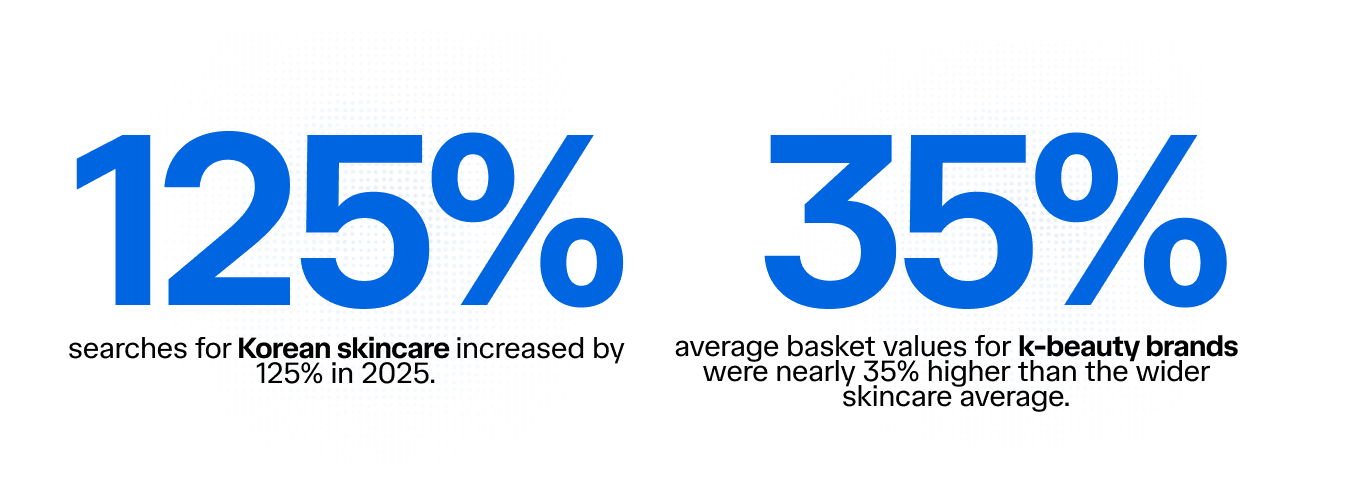
UK beauty sales grew by 60% year on year in 2025, while searches for Korean skincare increased by 125%. Average basket values for k-beauty brands were nearly 35% higher than the wider skincare average, driven by multi-step routines. These numbers don’t simply come from the fact that more products create bigger baskets, but rather that education can create the confidence to buy more than one product.
Pinterest’s “Skinvested” trend points to the growing sophistication of body and scalp care, with consumers applying face-grade ingredients and routines to other parts of the body. Haircare is moving towards structured scalp routines, fragrance is becoming a wardrobe of layered scents, and even food and beauty are converging, with searches for “skin foods” rising 35% globally and interest in ingredients such as rosemary water, rice water, turmeric and bone broth.
Beauty is becoming less about a single category and more about a connected system of routines, rituals and outcomes.
Social commerce is becoming a learning environment
Social commerce works particularly well for beauty because the products often need explaining. A creator can demonstrate texture, application, layering and results in a way that a conventional product page cannot, a livestream can answer the consumers’ questions in real time and a comment section can reveal the concerns that other shoppers are trying to resolve.
This makes social commerce much more than a promotional channel; it becomes a part of the product experience.
The most effective beauty content is instructional, directly addressing the questions that shoppers are asking:
- Which step comes first?
- Can these ingredients be used together?
- Is this suitable for sensitive skin?
- How long should it take to see a result?
- Which products are essential and which are optional?
Education helps consumers move from passive interest to active routine building. It also changes the role of creators: they are translating technical product information into digestible information that can inform the consumers decision, that is why concern-led and efficacy-focused products are gaining traction alongside more aesthetic trends.
AI can turn inspiration into a shoppable plan
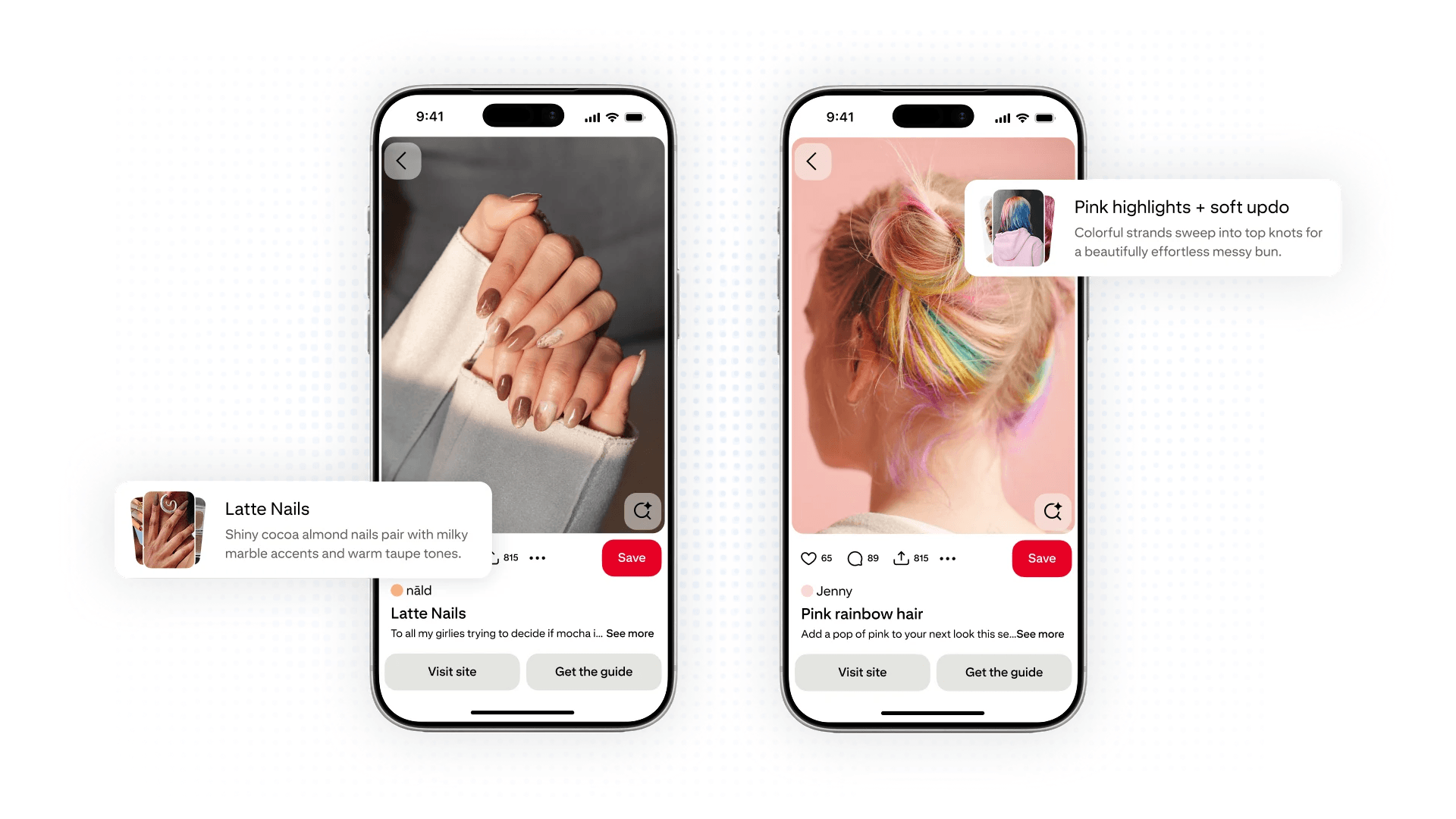
The next step is helping consumers move from visual inspiration to building their own personalised routine. Pinterest’s Beauty Guides offer an early example of how this can work; users can open a hair or nail Pin and receive a breakdown of the look, including what to ask for at a salon, similar inspiration and shoppable products.
The next step is for brands to translate this into a more useful search, recommendation or action plan.
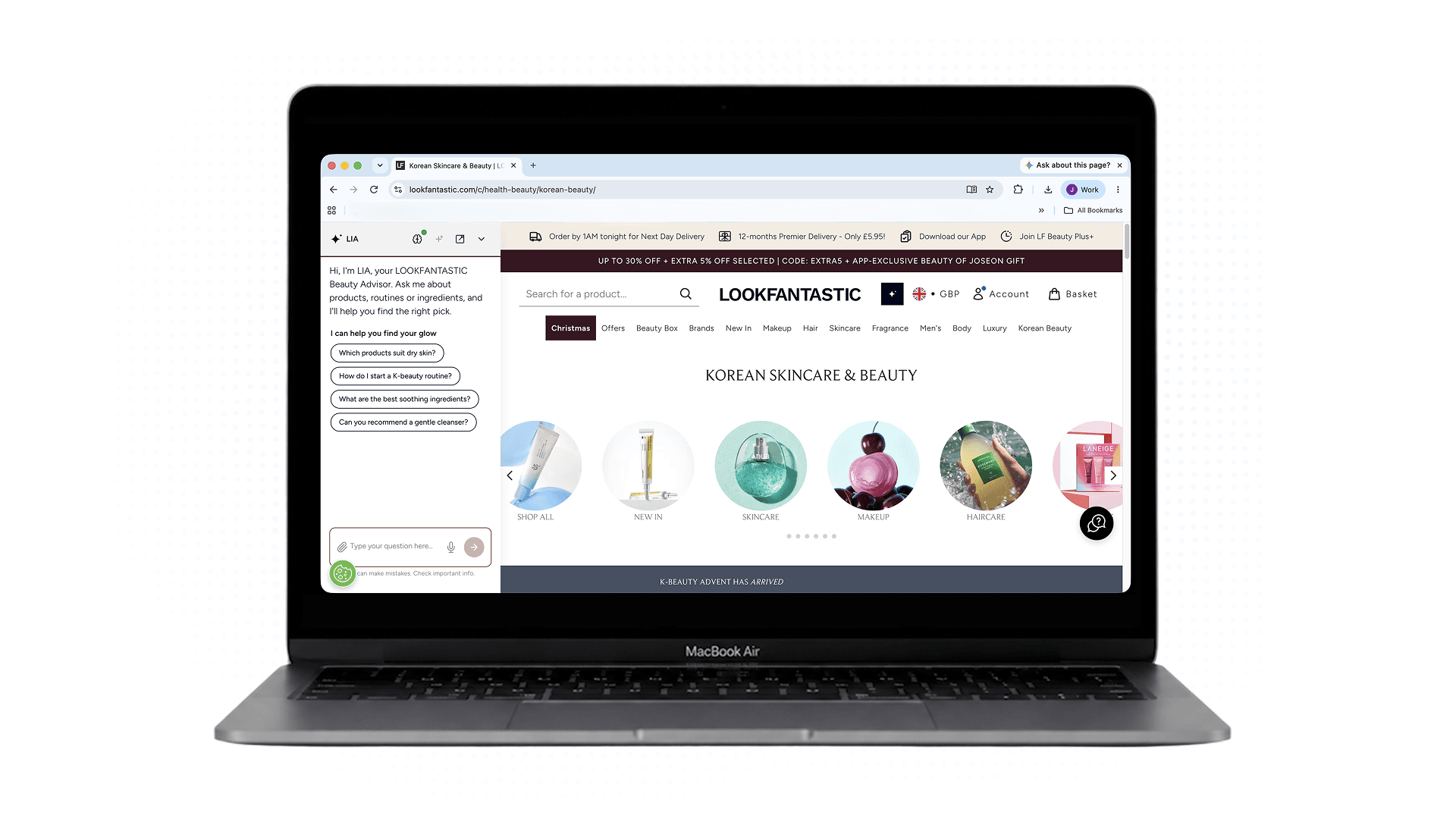
Lookfantastic’s LIA, its AI beauty advisor built by THG Commerce, shows how this can work in a live retail environment. The tool was introduced to help shoppers find more relevant beauty recommendations and gifts; LIA gives consumers a conversational route into a catalogue of hundreds of brands. Instead of asking shoppers to navigate through increasingly specific categories, it allows them to start with what they want to achieve or who they are shopping for, then helps narrow the options, acting in the same way as a retail assistant on the high street.
This is important because shoppers are rarely short of choice, they are short of confidence and expert guidance.
A shopper may know that their skin feels dry, looks uneven or is prone to breakouts, but what they don’t know is which ingredients to combine, how to layer them or what to avoid. A conversational assistant can help turn that uncertainty into a more structured journey: understanding the concern, asking relevant questions and connecting the answer to products that fit.
The scale of that opportunity is already becoming visible, in its Q3 2026 trading statement, THG reported that the Lookfantastic AI Beauty Advisor was running at approximately 250,000 customer conversations per month, supporting product discovery, personalisation and conversion.
This is where AI shopping assistants, visual search and virtual try-on technologies become commercially important. Their value is not simply that they make ecommerce feel more innovative, but that they reduce the distance between what a consumer wants and what they need to buy. Thus, the most effective assistants will not try to replace expertise or taste; they will make both more accessible, helping shoppers cut through an overwhelming catalogue while still giving them the confidence to make their own decision.
What beauty leaders should do next
The shift towards active trend-editing has several implications.
- Product data needs to be more useful, with ingredient information, concerns, benefits, usage instructions and compatibility data structured in a way that can support search recommendations and AI-led conversations.
- Content and commerce teams need to work closely, the questions emerging in comments, livestreams and creator content should inform product pages, bundles and merchandising logic.
- Brands should design around outcomes, not categories. A concern-led routine can be more helpful to a shopper than a traditional product grid, particularly when it is a complex category like retinol or acne-prone skin.
- AI should be used to build confidence. The best experiences won’t pressure customers into buying, but instead educate and inform them, helping them understand what they need, why they need it and how the products work together.
Identifying the next viral ingredient or beauty aesthetic won’t be enough to win in 2027; the brands that succeed will be the ones that help consumers navigate the abundance of choice around them.
Make beauty discovery more personal
See how THG Commerce helps brands turn inspiration, data and AI into more relevant shopping experiences.