


The End of Predictable Peak: What Viral Commerce Means for Fulfilment Infrastructure
How automation, AI forecasting and intelligent operations give brands the resilience to turn any spike into an opportunity

Inside the Report: Key Themes & Strategic Insights
1. The Evolving Architecture of Peak Demand
Traditional ecommerce relied on a highly predictable, concentrated Q4 window. Today's reality is a multi-week, distributed peak:
Sustained Summer Lift: June through September order volumes average 6.5% higher than the baseline, driven by cultural moments and creator content.
Extreme Volume Gaps: The post-Christmas trough sits 32% below baseline, resulting in a 96% operational swing between November and February.

2. The Mechanics of Viral Commerce
Social platforms instantly bridge the gap between product discovery and high-volume demand spikes.
The TikTok Shop Effect: With global GMV projected to reach $112.2 billion by 2026, TikTok drives sudden, vertical demand surges in beauty, fashion, and electronics within 48 hours.
Pinterest as a Forward Indicator: Boasting 619 million active users, Pinterest search trends lead actual warehouse orders by two to four weeks, providing critical predictive data for operations teams.
3. The Vulnerability of Manual Operations
Traditional 3PLs relying on seasonal headcount struggle to match today's rapid volume fluctuations:
The Labour Bottleneck: 45% of warehouse operators face severe hiring challenges, making manual scaling too slow to capture 48-hour viral spikes.
Costly Data Blind Spots: A lack of real-time inventory visibility leads to severe stockouts, costing global retail $1.14 trillion annually in lost sales.
4. Orchestrating the Software Ecosystem
The real competitive edge of warehouse automation is unlocked by a unified software layer:
Voyager WMS: Provides real-time stock visibility and traceable control to support late, high-volume cut-offs.
Forecasting & Simulation: Stress-test warehouse capacity against simulated peaks and real-time external signals.
Courier Management Platform (CMP): Rules-based engine connecting brands to 250+ couriers for instant routing and a 99.9% on-time dispatch rate.
5. Advanced Warehouse Automation & Robotics
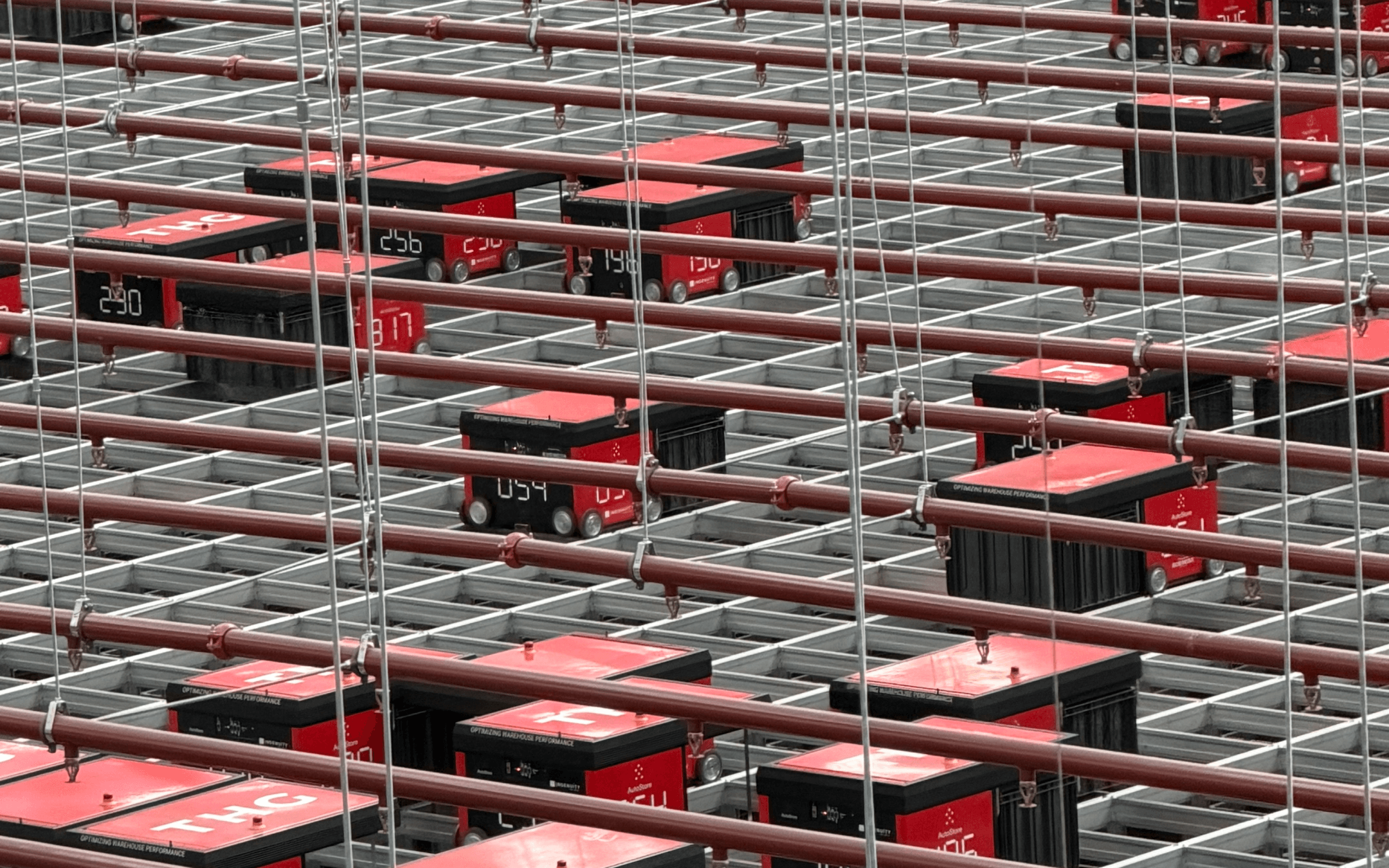
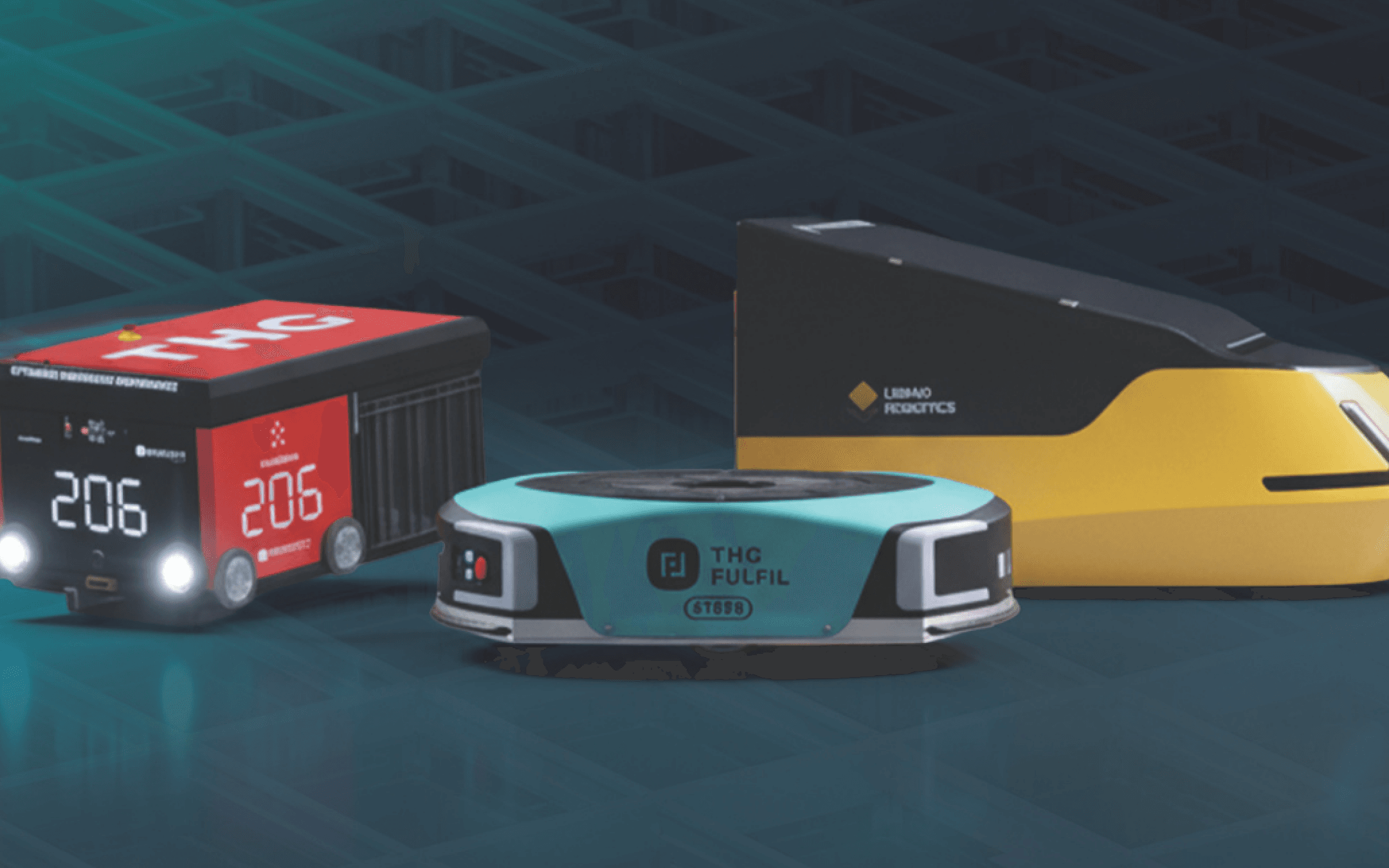
Modern logistics requires an automated, goods-to-person picking model to reduce labour costs by 40% and scale throughput without additional headcount:
AutoStore:
High-density cube storage saving up to 75% of floor space with 99.99% picking accuracy.
Libiao Robotics:
Modular sorting robots that scale capacity by 140% and achieve 99.9% system uptime.
Geek+:
Fleet robots managing complex and rapidly changing SKU configurations in a single automated environment.
To explore how to choose the right robotic setup for your brand, read our guide on AutoStore vs AMRs for E-Commerce Fulfilment.
The future of fulfilment belongs to operations that can anticipate demand, scale dynamically, and execute with precision.
In an increasingly unpredictable retail landscape, technology is becoming the defining competitive advantage.
The true cost of volatility: fulfilment by the numbers
From the multi-trillion-dollar risk of mismatched inventory to the explosive scale of social buying, these three key indicators tell a clear story of why traditional logistics models are no longer viable.
Projected global GMV of TikTok Shop by 2026.
This explosive growth represents the massive scale of social-driven, unpredictable demand that brands must fulfil instantly.
The combined annual global retail cost of stockouts and overstock.
This staggering figure highlights the severe financial penalty of running rigid, manual logistics operations.
Average throughput increase of automated goods-to-person workflows over manual picking.
Allowing brands to absorb massive volume surges without relying on temporary headcount.
Read the report:
If you are using a mobile device, please download the content by clicking the button below.
Download (opens in a new tab)More from THG Fulfil

blogs
What Pinterest's Beauty Trends Tell Us About the Future of Fulfilment
Right now, beauty is one of the most searched categories on Pinterest, with trends like "summer nails 2026" surging 10,000% year-on-year. But behind every viral trend is an operational challenge most beauty brands aren't ready for. Here's what the data tells us about the future of automated fulfilment.
blogs
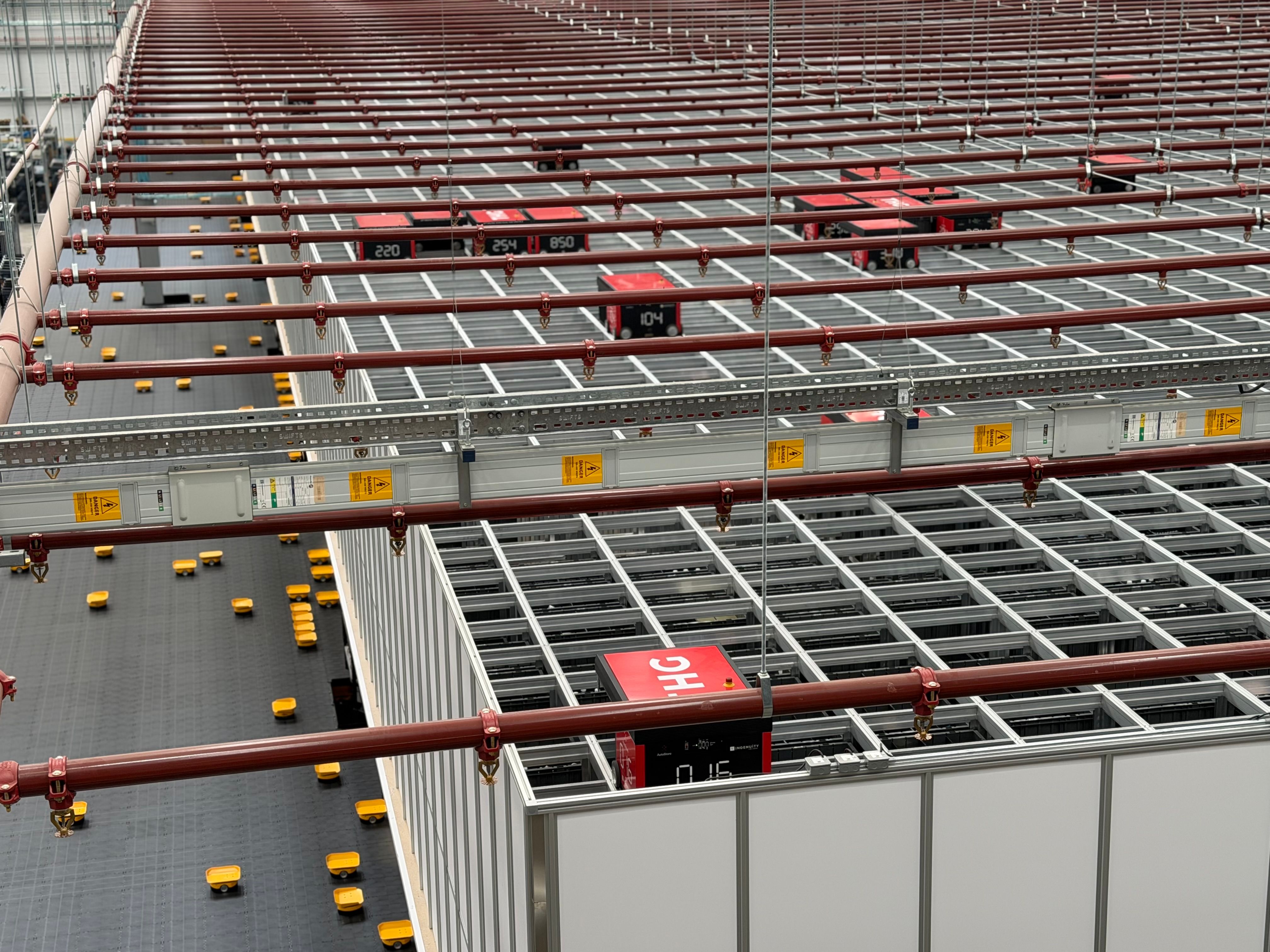
AutoStore, Libiao, Geek+: Inside THG Fulfil's Robotics Ecosystem
In 2026, the warehouse automation conversation has moved on. The question isn't whether to automate. It's whether your technology, software and operational strategy are intelligent enough to compound their own efficiency over time.
Worried about missing your next peak?
Speak to one of our experts today.