


Resource Type: Blogs
Tag: Fulfilment
BLOGS
Retail logistics is no longer just about packing boxes. Rising costs and shifting consumer expectations have transformed the supply chain into a key driver of brand loyalty. Discover how Footasylum modernised its network, consolidated operations, and boosted capacity by 212% with THG Fulfil’s intelligent warehouse automation services.
October 21, 2026
Resource Type: Blogs
BLOGS
Redefining the Warehouse: How Intelligent Automation Drives Customer Loyalty
Retail logistics is no longer just about packing boxes. Rising costs and shifting consumer expectations have transformed the supply chain into a key driver of brand loyalty. Discover how Footasylum modernised its network, consolidated operations, and boosted capacity by 212% with THG Fulfil’s intelligent warehouse automation services.
October 21, 2026
The traditional perspective of logistics as merely 'packing boxes' has long been obsolete. But rising labour costs, complex cross-border expansion, and intense peak demand are forcing another re-evaluation of legacy logistics networks. Managing a supply chain is no longer just about controlling transport costs, it is about protecting customer lifetime value and turning fulfilment into an active driver of customer retention and loyalty.
As physical retail and digital commerce converge, the brands that master their fulfilment operations are the ones winning long-term customer relationships. An example of this shift in action is Footasylum’s recent partnership with THG Fulfil to deploy their first end-to-end AutoStore system.
Redefining the Warehouse: From Cost-Centre to Brand Equity
Historically, fulfilment has been managed as a pure cost-centre where success was measured by keeping warehouse expenses as low as possible. However, this approach creates friction points that can destroy customer trust.
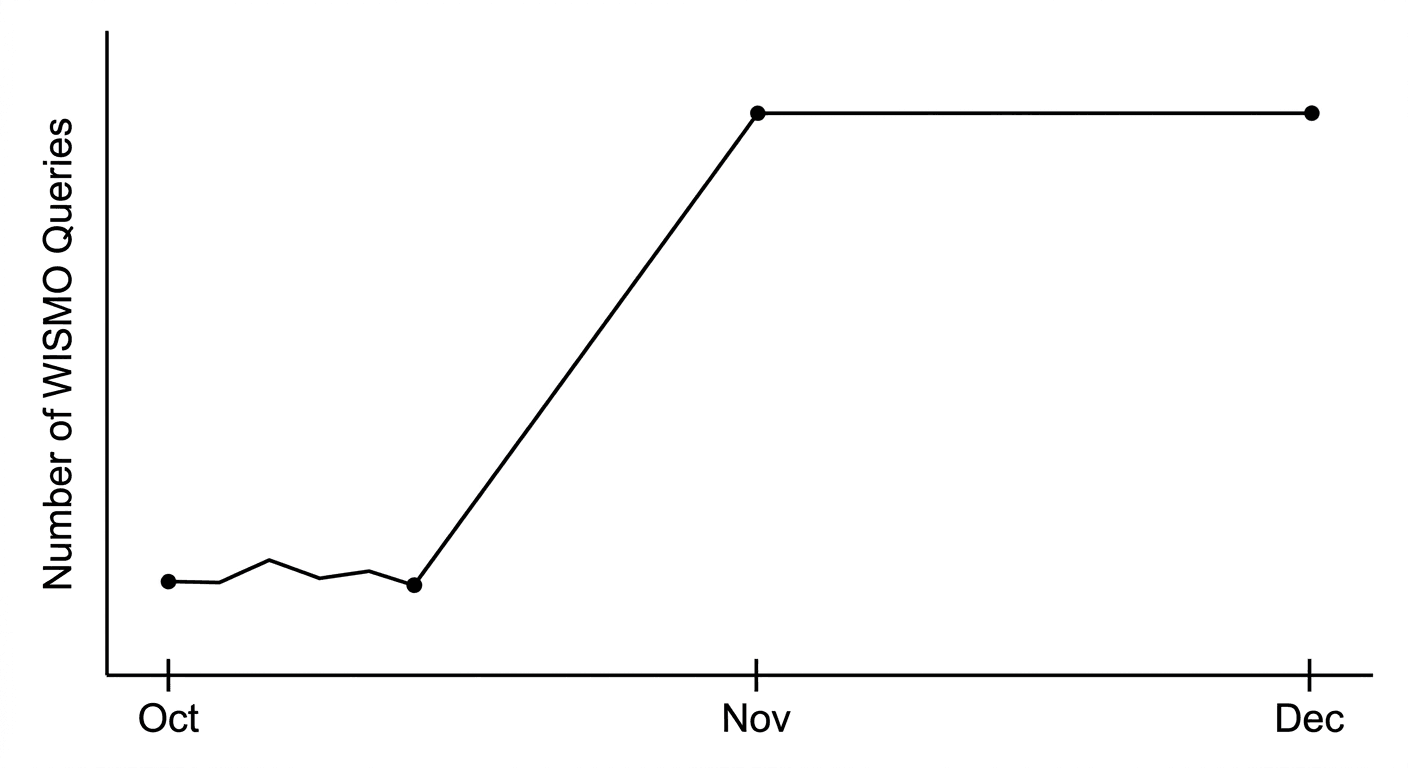
During peak trading seasons, single-carrier bottlenecks and fragmented warehouse management systems frequently result in delayed packages, broken promises, and a spike in 'Where is My Order?' (WISMO) queries, which typically triple during November and December.
But the real cost of a failed delivery goes far beyond the price of shipping; it risks permanent damage to customer loyalty. In a digital economy where consumers can switch brands with a single click, a single late delivery can cause immediate customer churn. High-growth brands cannot afford to treat the post-purchase experience as an afterthought.
By transitioning fulfilment from a backend operational necessity into a vital driver of brand equity, operations can actively drive repeat purchases. Predictable, reliable, and transparent delivery services foster trust, transforming one-time buyers into loyal brand advocates.
For Footasylum, achieving this level of operational predictability required a complete physical and digital consolidation. By moving from manual processes across multiple sites to a single automated facility, the retailer brought their direct-to-consumer, retail replenishment, and wholesale channels under one roof. This single-site approach eliminated the cost and complexity of trunking stock between warehouses, establishing a unified culture focused entirely on customer delivery.
Meeting the Demands of the 'I want It Now' Generation
The customer experience does not end at the digital checkout: it is won or lost in those final moments after a customer clicks 'pay now'. Today’s consumers expect rapid shipping, real-time tracking, and late-night purchasing flexibility. This 'I want it now' mentality means that standard three-day delivery is no longer competitive.
To capture high-value sales, particularly from late-night impulse buyers, retailers must offer ultra-late cut-off times. Achieving a market-leading 1am UK next-day delivery cut-off requires complete synchronisation of the fulfilment process, from the moment an order is placed to the moment it leaves the dispatch dock. Meeting these expectations consistently requires moving away from traditional operations that cannot scale sufficiently during demand spikes.
Footasylum’s core demographic are highly digital and place a premium on instant gratification. If they order next-day, they expect next-day, regardless of whether it is an ordinary Tuesday or the peak of Black Friday. Instead of scaling back delivery promises during high-demand periods to buy time, brands require a continuous, scalable operational model that runs seamlessly around the clock.
Intelligent Automation as the Operational Backbone
Solving the dual challenge of rising labour costs and demanding consumer expectations may seem impossible. This is where intelligent automation and robotics serve as the critical differentiator. By removing manual pick walks and automating sorting, retailers can achieve unprecedented levels of operational efficiency and speed.
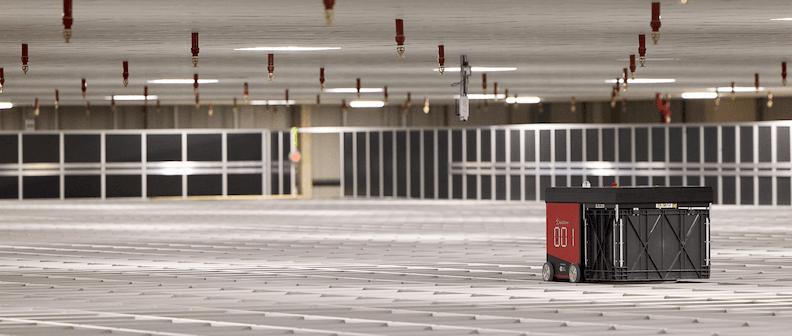
At Footasylum’s facility, the deployment of 85 AutoStore R5 robots across 96,000 bin locations has transformed daily operations. The system delivers 212% of the output of their previous manual setup. Because the physical structure uses a modular, goods-to-person cube storage model, Footasylum has been able to reduce its packing benches from 50 to 24 while more than doubling its volume capacity.
A multi-technology robotics environment can handle fluctuating volumes without a proportional increase in labour costs. Furthermore, automation drastically improves inventory accuracy, ensuring that the physical reality of the warehouse matches the digital storefront in real time. This visibility helps eliminate out-of-stock disappointments and post-purchase cancellations, further safeguarding the consumer experience.
The Software Advantage: Powering Competitive Performance
While the hardware provides the physical infrastructure, it is the proprietary software layer that drives real commercial value. THG Fulfil’s Warehouse Control System (WCS) sits at the heart of the Footasylum grid.
Unlike standard technology integrators that deploy out-of-the-box configurations, THG Fulfil brings 20 years of retail operator heritage and five years of continuous WCS development. This proprietary software layer uses advanced, AI-driven algorithms to manage intelligent stock putaway and batch building. By continuously analysing live grid data, the WCS optimizes robot paths and bin retrieval sequences in real time, squeezing every possible second of efficiency out of the physical system.
This operational depth is what allowed the partnership to design a solution tailored to the specific demands of Footasylum’s fast-moving footwear and apparel range, de-risking the entire implementation and shaving two months off the original build timeline.
Looking Ahead
As operational environments become increasingly complex, the separation between logistics and brand marketing will continue to disappear. Operations leaders must stop viewing fulfilment as a cost-centre and start championing it as a critical growth driver.
By embracing proprietary software, advanced robotics, and multi-carrier orchestration, brands can turn their logistics into a powerful competitive advantage. In today’s retail environment, the brands that master fulfilment are the ones that win long-term customer loyalty.
Want to see how your current operation stacks up?
Take our interactive fulfilment assessment to see where your operation could perform better across cost, capacity, delivery and scale.