


Resource Type: Blogs
Tag: Commerce
BLOGS
A unified operating layer can help enterprise ecommerce teams connect social, marketplace and direct channels with product data, inventory and fulfilment.
November 18, 2026

Resource Type: Blogs
BLOGS
Stop splitting your stack. Enterprise Ecommerce Needs a Unified Operating Layer.
A unified operating layer can help enterprise ecommerce teams connect social, marketplace and direct channels with product data, inventory and fulfilment.
November 18, 2026
Contents
Contents
- Stop splitting your stack. Enterprise Ecommerce Needs a Unified Operating Layer.
- The enterprise ecommerce stack, social commerce and marketplaces
- What does a unified operating layer look like?
- Make product data useful to people and machines
- How can we move to a unified architecture without replacing the ERP?
- What does a connected commerce model look like?
- More routes to purchase, fewer disconnected processes
Contents
Contents
- Stop splitting your stack. Enterprise Ecommerce Needs a Unified Operating Layer.
- The enterprise ecommerce stack, social commerce and marketplaces
- What does a unified operating layer look like?
- Make product data useful to people and machines
- How can we move to a unified architecture without replacing the ERP?
- What does a connected commerce model look like?
- More routes to purchase, fewer disconnected processes
Contents
- Stop splitting your stack. Enterprise Ecommerce Needs a Unified Operating Layer.
- The enterprise ecommerce stack, social commerce and marketplaces
- What does a unified operating layer look like?
- Make product data useful to people and machines
- How can we move to a unified architecture without replacing the ERP?
- What does a connected commerce model look like?
- More routes to purchase, fewer disconnected processes
Enterprise ecommerce is expanding beyond the brand's own website, shoppers now discover products in social feeds, buy through marketplaces and use AI tools to research options. Each channel brings its own customer experience, data requirements and operational rules. This alone creates a challenge: keeping product information, inventory, checkout and delivery in sync as the routes to purchase continue to multiply.
But if this is the case, how can the businesses support new channels without increasing the complexity of their operations. The answer isn’t a complete rebuild... it’s a unified operating layer that connects customer facing channels to the systems and teams responsible.
The enterprise ecommerce stack, social commerce and marketplaces
Every new channel that you introduce to your stack creates another set of operational demands; social commerce may require platform-specific product feeds, order handling and delivery commitments, marketplaces have their own rules for listing, customer service and returns. On top of this, your DTC site has its own promotions, checkout and fulfilment requirements.
When these channels connect to different systems, teams end up managing duplicated product data, disconnected inventory views and different order processes. This then needs to be consolidated manually: checking stock, resolving conflicting information and ensuring each channel’s promise can be met.
Social commerce makes this challenge visible because content and purchase sit close together. A shopper can move from discovery to checkout in moments and the experience depends on accurate product information and available stock, while the operation behind it still needs to pick, pack and deliver within the relevant service expectations. TikTok Shop’s launch of a standalone shopping app in Singapore, Malaysia, Thailand and the Philippines is one recent example of how commerce surfaces can change. The app promotes video-led shopping, in-app payment and delivery offers. Its launch signals another potential route to purchase for brands operating in those markets, while the precise commercial and logistics terms will vary by market and platform.
A traditional ecommerce platform or ERP may remain central to the business, but it rarely covers every customer interaction and operational decision on its own. It’s important not to treat each new channel as a standalone extension with its own data, stock logic and fulfilment workflow. In order to show up as a connected, intelligent business outwardly, your operating layer must also be connected.
What does a unified operating layer look like?
A unified commerce platform should give the business a consistent way to manage the parts of commerce that need to work across channels: product information, inventory visibility, order routing, checkout and customer experience. This doesn’t necessarily mean every channel looking the same, there should be distinct experiences for a brand’s website, social storefronts and marketplaces, but there should also be a layer of consistency behind this. Consistency in the quality of the data, the view of stock and the ability to fulfil the promise made to the shopper.
This of it as a layer between customer-facing channels and the systems that run the businesses, it coordinates information and activity across those systems, while letting teams choose the right front end for each audience and market.
Make product data useful to people and machines
Product discovery has moved beyond traditional search and web navigation, and product data now needs to do more than just populate a product page; it must be complete, current and accurate with a structure that supports the different ways of finding and evaluating products.
But what does this mean?
- Clear product attributes
- Accurate availability
- Delivery information
- Answers to common customer questions
It also means exposing relevant information through the APIs and feeds that the different channels can use.
How can we move to a unified architecture without replacing the ERP?
For many enterprise businesses, a full replacement of core systems isn't practical or necessary. A more measured transition is to connect existing systems through an API-first orchestration layer, then improve the parts of the architecture that create the most friction.
Start by mapping how product data, inventory, orders, payments and customer service move today. Identify where the same information is entered more than once, where stock positions differ and where manual intervention slows down a channel launch or order handoff. Then prioritise the integration points that matter most; for one business, that may be a shared product catalogue, for another, it may be inventory visibility across direct and social channels, or a checkout journey that can support a new market. The sequence should reflect business needs and the capabilities of existing systems.
A useful transition plan has three characteristics:
- It connects before it replaces: Existing ERP, warehouse and finance systems can remain in place while the business improves how they exchange information.
- It separates channel experience from core operations: Teams can adapt storefronts and feeds without rebuilding the underlying order and inventory logic each time.
- It includes clear rules for exceptions: Returns, restricted products, payment issues and stock discrepancies need defined handling, not just a successful standard journey.
Adaptations for agentic commerce belong in this plan, but these shouldn’t be reduced to making a site accessible to AI agents; businesses also need to decide what an agent can do, what information it can access and where a customer must approve an action.
Consumer expectations around payment are still developing; in Worldpay’s 2026 survey, 59% of consumers who were open to AI shopping said they would allow an agent to complete a purchase if they approved each one. The finding points to a practical design principle: an AI agent may help a shopper research and prepare a basket, while the shopper remains in control of the final transaction. It should be clear to the shopper exactly what’s being purchased, at what price and under whose authority the payment will be made.
What does a connected commerce model look like?
The value of a connected model is clearest when you consider customer service and the operating model together.
For Cadbury’s new direct-to-consumer gifting platform, we’re bringing together our commerce, creative and fulfilment capabilities: providing the cloud-native storefront and product customisation software, while THG Studios is creating the ecommerce assets and visual merchandising, and THG Fulfil is supporting warehousing, temperature-controlled handling, courier management and customer service. Together, these capabilities support the customer journey from browsing and personalisation through to delivery.

This example matters because a storefront launch is only one part of the customer promise, a shopper choosing a personalised gift also needs the product configuration to be clear, the order to be captured correctly and the item to be handled appropriately through delivery.
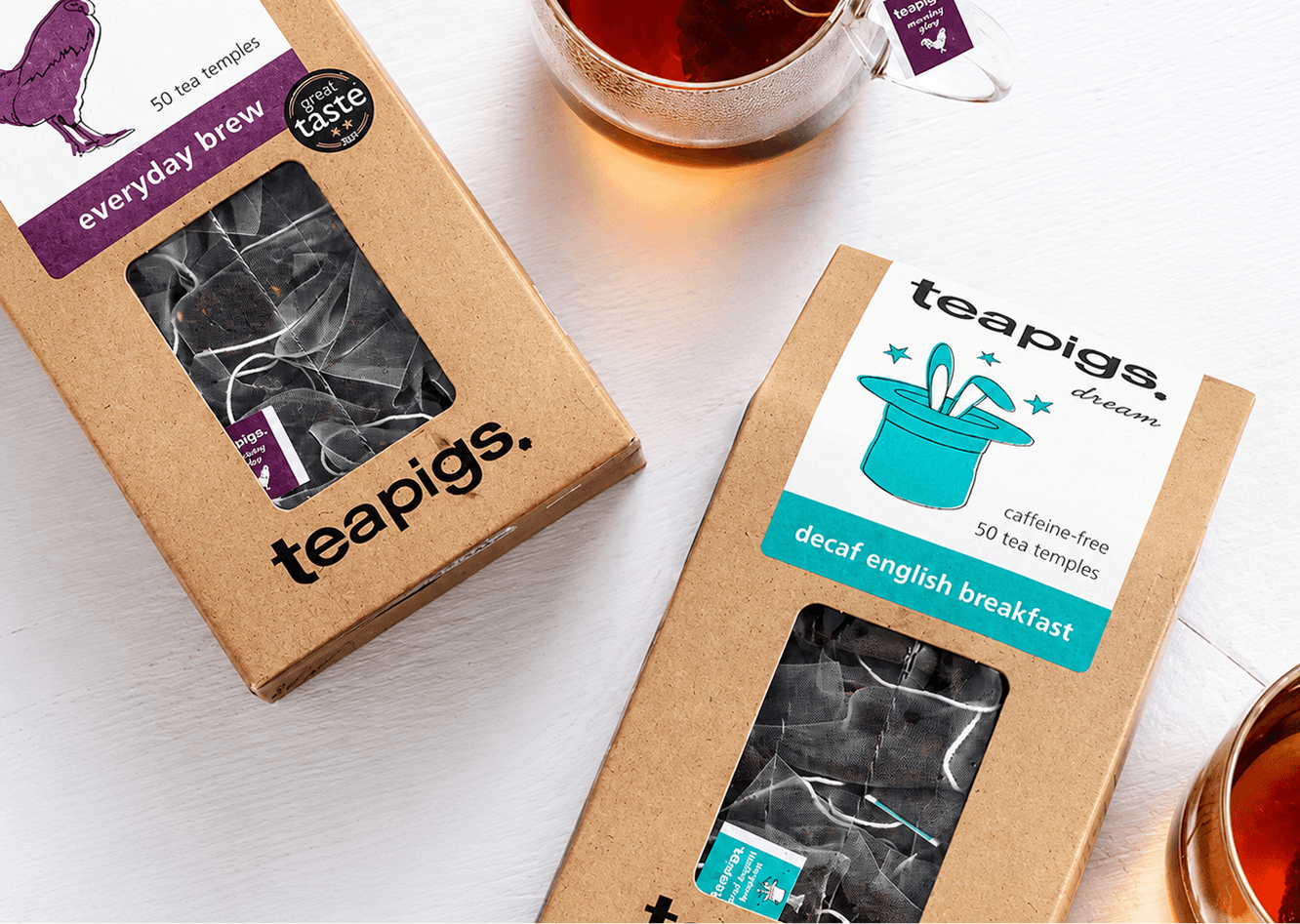
Our partnership with Tata Consumer Products is another example of a multi-brand requirement that brings together commerce, fulfilment and digital marketing capabilities to support the growth of teapigs, Good Earth and Organic India. The brands retain their distinct identities while drawing on shared capabilities behind the customer experience.
More routes to purchase, fewer disconnected processes
Channel fragmentation is unlikely to disappear entirely; new social formats, marketplaces, AI assistants and regional platforms will continue to change how shoppers find and buy products. You can respond by adding a new channel as a separate operation, or by building a more adaptable layer that connects channels to the data and capabilities they depend on.
A unified operating layer gives teams a way to manage that change: consistent product information, a clearer view of inventory, coordinated order routing and secure checkout. It can help businesses better manage growing channels, while preserving the flexibility to create experiences that fit each market and audience.
Take control of your enterprise commerce strategy.
Explore how THG Commerce can connect technology, creative and operations across your commerce journey.